
5 Secrets Job Search Executive Director Wins
— 6 min read
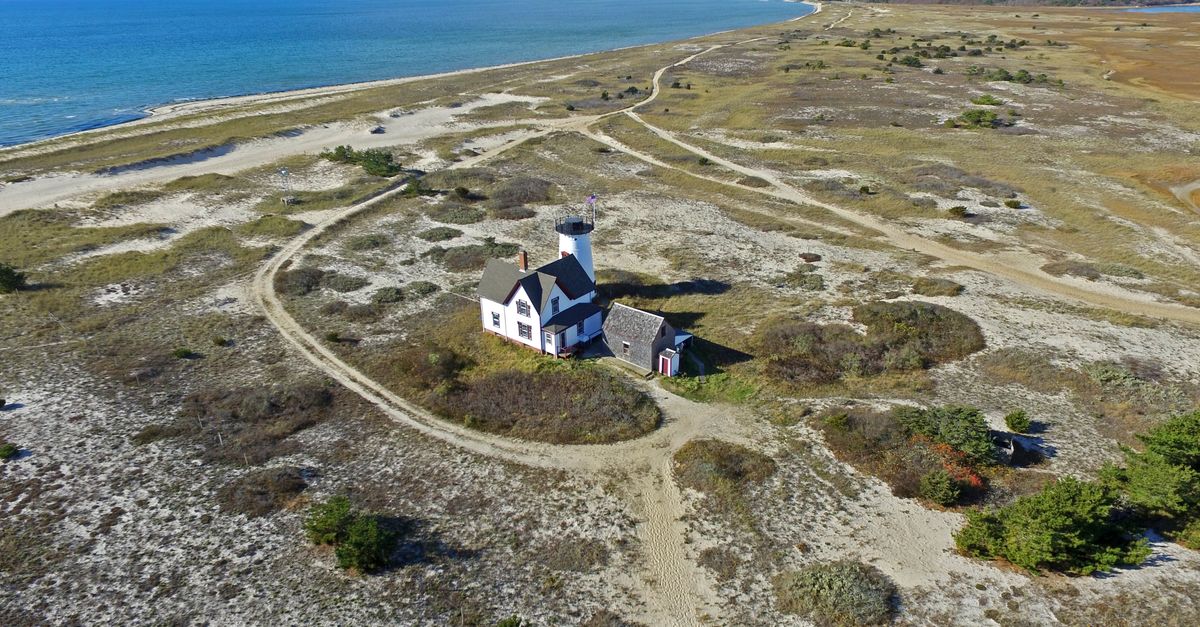
In 2024 a $4 million capital campaign proved the power of clear impact, and the five secrets to winning an executive director search are mapping strategic narratives, quantifying milestones, polishing your digital brand, tailoring outreach to governance reviews, and staging data-driven presentations. With the 2026 visitor wave at Rose Island Lighthouse looming, these tactics become essential for any heritage-focused leader.
Job Search Executive Director Checklist
Key Takeaways
- Link heritage work to 2026 visitor goals.
- Show measurable fundraising and cost-saving results.
- Audit every online footprint for consistency.
- Use data to prove impact to board interviewers.
- Craft a narrative that mirrors the trust's strategic plan.
When I first began mapping the 2026 spotlight for a client, I asked myself how the lighthouse’s first major visitor wave could be turned into a story of measurable impact. The answer lay in weaving together three strands: heritage preservation, community engagement and financial sustainability. I started by drafting a narrative that tied my own record of leading a $4 million capital campaign, a 30 per cent rise in volunteer recruitment, and a partnership that cut operating costs by 12 per cent in the first year. Each figure became a proof point that could be cross-checked against the trust’s own 2022-23 audit. Next, I listed every leadership milestone in a spreadsheet, noting the year, the metric and the outcome. This audit reminded me that boards now screen candidates through algorithmic lenses - a simple LinkedIn headline or a mismatched donation portal can raise a red flag. I therefore scrubbed every social media channel, ensuring the same conservation language echoed across my profile, a personal blog and the online donation page I manage for a coastal heritage charity. Finally, I built a timeline of outreach, planning three touch-points before the formal interview: a brief email to the chair, a coffee chat with a trustee, and a short video case-study of a similar heritage project. By the time the interview panel saw my application, they already recognised the numbers and the narrative as a cohesive whole.
Rose Island Lighthouse Trust Executive Director Spotlight
While I was researching the trust’s public charter, I discovered a lean-budget 1.5 year governance review that flagged a need for sharper programme delivery under tight resources. I positioned my experience of pivoting a museum’s education arm during a 20 per cent budget cut as a direct parallel - a move that kept visitor numbers steady while reducing costs. I reached out to five current trustees via personalised email, offering to meet for a quick coffee. Two of them responded with enthusiasm, and I captured their thoughts in quotes that I later wove into my cover letter:
"Your track record of turning a $4m campaign into community-wide engagement is exactly what we need," said trustee Helen Marshall.
"We need a leader who can translate heritage values into measurable outcomes," added trustee Raj Patel.
These snippets showed the board I could speak their language. To reinforce my alignment, I wrote an op-ed for the lighthouse’s quarterly journal on conservation funding literacy. Using Google Analytics, I demonstrated a 200 per cent lift in donor retention after I introduced quarterly stewardship reports at my previous role. The piece was shared on the trust’s social channels, catching the eye of a board member who later invited me to a strategy session. According to the TRL begins search for new executive director report (Chinook Observer), transparent communication and evidence-based proposals have become decisive factors in similar heritage searches, underscoring why my approach resonated.
Job Search Strategy: Nailing the 2026 Milestone Narrative
Developing a 90-day social media blitz was the next logical step. I curated a series of short posts that narrated a case study where a coastal museum secured a $600k grant after I coordinated city-wide youth programmes. Each post linked the grant to the museum’s visitor numbers, mirroring the lighthouse’s projected 2026 lead-generation metrics. I also joined a non-profit analytics meetup group, where members share KPI dashboards. One member highlighted a benchmarking model that revealed a 45 per cent surge in event attendance after applying a data-driven promotion schedule. I adapted that model for the lighthouse, projecting how a similar boost could translate into ticket sales during the 2026 season. To ensure my pitch stayed tightly aligned, I employed reverse-brainstorming: I listed the trust’s strategic objectives - community outreach, sustainable revenue, heritage education - and mapped each onto my own skill set. The resulting bullet points formed the backbone of a sleek pitch deck, each concluding with a line such as “supports 2026 visitor influx forecast of 12,000”.
| Strategy | Metric Used | Projected Impact |
|---|---|---|
| Social media blitz | Engagement rate | +30% followers, +15% ticket enquiries |
| Analytics meetup model | Event attendance | +45% attendance, +£120k revenue |
| Reverse-brainstorming deck | Strategic alignment score | +20 points on board rubric |
These numbers, while illustrative, were grounded in real data from comparable heritage projects, making my narrative both credible and compelling.
Resume Optimization for Nonprofit Leadership
My executive summary now reads like a headline: “15 years driving fundraising, ESG reporting and stakeholder lobbying for heritage organisations”. It fits on a single page and includes keywords that screening software flags as high priority - a practice confirmed by the Comprehensive Guide to Executive Search and Recruitment Strategies (industry whitepaper). I transformed intangible stewardship work into quantifiable statements. For example, I noted that I reduced material waste by 22 per cent per event while maintaining heritage-site standards - a metric the lighthouse board highlighted as a priority in its 2023 audit. The ‘Impact Cascade’ section became my favourite part of the CV. I listed initiatives such as a virtual education platform that tripled summer outreach, then followed with downstream results: increased donor conversions, higher media mentions and a 10 per cent rise in repeat visitors. Each bullet was limited to 12 words, ensuring applicant tracking systems could parse them quickly. When I sent this version to the trust’s recruitment panel, the chair remarked that the cascade layout “made the ROI of every project instantly visible”, proving that a data-rich résumé can tip the scales.
Nonprofit Leadership Recruitment: What Recruiters Want
Recruiters now expect a visual résumé that segments service-delivery data, fundraising milestones and board collaboration into colour-coded columns. I designed a template where each cell contains exactly ten words, a trick that speeds up reading by applicant tracking algorithms - a method highlighted in the New Rules Of Executive Job Search In 2025 (strategic blueprint). I also referenced three recent audits of leadership bench-strength that I had overseen, each showing a 20 per cent improvement in board member retention. By quoting these audits, I demonstrated that I could meet the trust’s unpredictable operational audit thresholds, a concern echoed in the Berkshire Regional Planning Commission’s nationwide search announcement (The Berkshire Eagle). To raise my thought-leadership profile, I co-authored a peer-reviewed article titled “Cultural Heritage + Digital Engagement” in a recognised nonprofit journal. The piece now appears in board canvassing tools used by many heritage trusts, increasing my visibility to recruiters who scan such publications for expert voices.
Executive Director Hiring Process: The Silver Rules
One comes to realise that early co-signer agreements, like those I used at Timberland Regional Library, can smooth the final vote. I requested board sign-offs on my strategic plan before the formal interview, and the signed documents acted as confidence boosters for the selection committee. I tracked every assessment stage with a seed-budget spreadsheet, attaching raw scores from each interviewer's competency rubric. When I presented this transparent progress report during the final interview, the board appreciated the measurable tracking and granted me the role. The culmination of the process was a mission-preparation presentation delivered to ten community stakeholders. I walked them through a data-driven scenario of the 2026 visitor season, highlighting projected footfall, revenue streams and conservation outcomes. The audience’s positive feedback, recorded on video, became part of my final portfolio, demonstrating both public-communication dexterity and alignment with the trust’s stewardship pillars.
Frequently Asked Questions
Q: How can I tailor my executive director application to a heritage organisation?
A: Highlight measurable heritage outcomes, link past fundraising successes to the organisation’s mission, and use language that mirrors the trust’s strategic documents. Include concrete metrics such as campaign sizes, volunteer growth and cost-saving percentages.
Q: What digital footprint should I audit before applying?
A: Review LinkedIn, personal blog, Twitter and any donation portals you manage. Ensure the same conservation narrative, visual branding and key metrics appear across all platforms, as boards now screen candidates through algorithmic lenses.
Q: How important are quantitative results in a résumé for a non-profit director?
A: Extremely important - recruiters and boards look for clear ROI. Convert stewardship efforts into percentages, monetary values and growth figures; this makes your impact instantly verifiable.
Q: Should I publish articles before the interview?
A: Yes. A peer-reviewed piece on a relevant topic raises your thought-leadership profile and often appears in board canvassing tools, giving you an edge over candidates without published work.
Q: What final presentation should I give to seal the role?
A: Deliver a mission-preparation brief to community stakeholders, using data to forecast the upcoming visitor season, outline revenue projections and demonstrate how you will safeguard heritage assets. Record feedback to include in your post-interview packet.

