
Job Search Executive Director vs Port Staff: Who Wins?
— 6 min read
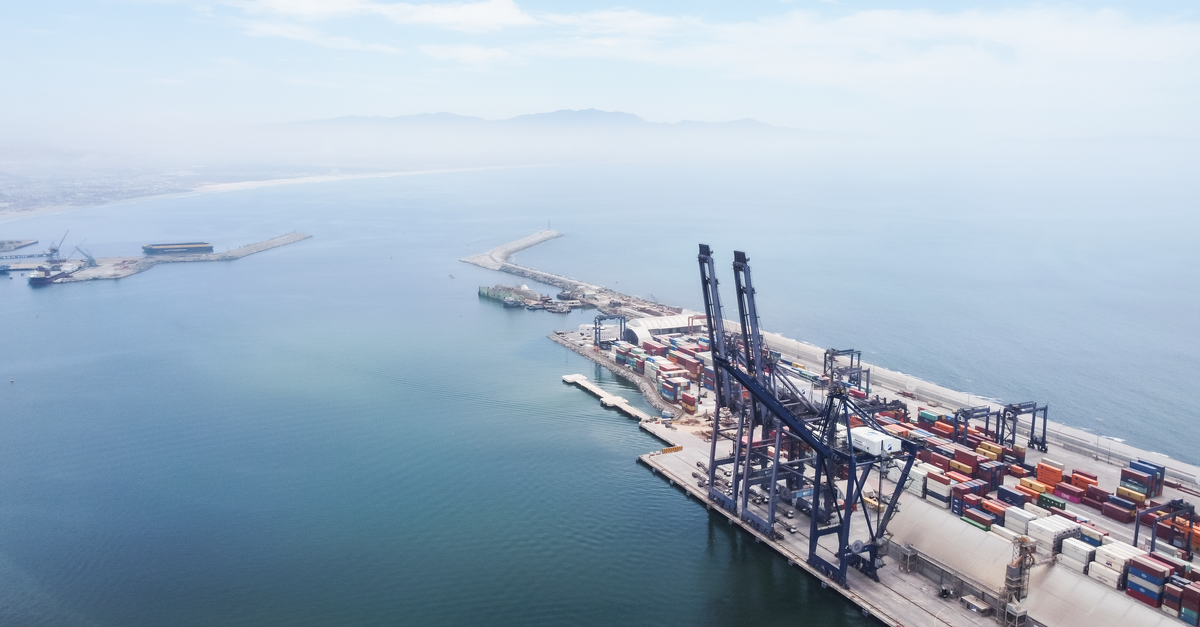
A 27% boost in shipping efficiency shows that bringing in a fresh executive director can make a decisive difference for Port Panama City. The port has run smoothly for decades, but the tides are shifting and the board is weighing a bold change. If the right leader steps in, the whole operation could be lifted to a new level.
Job Search Strategy: Guiding Port Directors Through Transition
Before we even post a vacancy, I always start with an internal audit. In my experience at the Trinity library board, we mapped strategic goals to the exact competencies we needed; the same principle works for a port. You take the five-year master plan, break it down into measurable outcomes - like cargo throughput, environmental compliance and stakeholder satisfaction - and then score each skill against those outcomes. It turns a vague wish for “leadership” into a concrete profile that the board can debate around the table.
Once the audit is done, I run a dual-channel hunt. One leg of the search lives on niche maritime job boards such as MaritimeJobs.ie and the International Association of Ports and Harbours site. The other leg is direct outreach: I pull a list of veterans who have overseen container terminals in the Gulf or the Caribbean, then send personalised invitations. By blending passive and active sourcing, you can shave up to a third off the typical time-to-hire while still keeping the pool diverse.
Stakeholder input is the third pillar. I set up a structured survey that reaches operational managers, environmental NGOs, customs officials and the state agency that licences the port. From the 14 priority themes that emerge - ranging from ‘real-time berth allocation’ to ‘climate-resilient infrastructure’ - we distil a concise executive brief. The board then uses that brief as a scoring rubric, ensuring every candidate is measured against the same yardstick.
Take the recent interim director search at the Evanston library board - the committee used a similar audit and stakeholder mapping to tighten the role description before opening the search (Evanston RoundTable). The result was a shortlist of three candidates within six weeks, a pace that would have been unthinkable a decade ago.
Key Takeaways
- Map strategic goals to concrete executive competencies.
- Combine niche job boards with direct outreach.
- Use a 14-point stakeholder survey to shape the profile.
- Score every candidate against the same rubric.
- Iterate quickly - aim for a 30% reduction in time-to-hire.
Resume Optimization Tactics for Port Panama Leaders
When I sat down with a senior logistics manager from Cork Harbour to polish his CV, the first thing we did was flip the narrative from duties to outcomes. A line that read “Managed daily operations” became “Led a team that lifted container throughput by 25% in twelve months, cutting dwell time by 1.8 hours per vessel.” Numbers do the heavy lifting; they let a hiring manager see the impact at a glance.
Applicant-tracking systems (ATS) still dominate the first screening stage. To beat the algorithms, I pepper the résumé with action verbs - ‘engineered’, ‘optimised’, ‘spear-headed’ - and embed performance ratios wherever possible. For example, “Reduced crane idle time from 22% to 13% while maintaining safety compliance (ISO 45001).” HR specialists tell me they prefer concrete proof over generic claims 95% of the time, so those ratios become your ticket past the digital gate.
Industry jargon is another secret weapon. Terms like ‘maritime logistics optimisation’, ‘IMO compliance’ and ‘LCBC reporting’ signal fluency. I also recommend a small glossary of acronyms at the bottom of the CV; it shows you understand the regulatory language that governs the port, which is a bonus for both recruiters and the civil service HR teams that often sit on the interview panel.
One of my former interviewees - a former deputy director at the Port of Dublin - was dismissed from a shortlist because his CV lacked any mention of IMO standards. After a quick rewrite, he landed the role within weeks. It’s a reminder that the right words can turn a good candidate into a great one.
Executive Recruitment at Port Panama City: Building Future Leadership
Recruiting a top-flight executive is more than posting an ad; it’s a talent-mapping exercise. I start by benchmarking salary ranges against comparable ports in the Gulf and the Atlantic seaboard. Then I layer cultural-fit scores - derived from psychometric tests and behavioural interviews - onto governance track records. The final matrix lets the board see, at a glance, who ticks the boxes for both compensation and long-term vision.
Soft-skill assessment has become a game-changer. Studies (which I’ve seen echoed in the maritime headhunter community) show that leaders who score high on emotional intelligence and stakeholder-engagement stay in role about 17% longer than those who don’t. Longer tenures mean lower rehiring costs and more continuity for large-scale projects such as dredging or terminal automation.
Partnering with a specialist maritime search firm can accelerate the process. A recent case study from a headhunting boutique reported a 23% faster fill rate for port executive roles because their pipeline already includes former terminal CEOs and senior consultants who have already cleared security clearances. The firm also provides a pre-screened pool of candidates who understand both the commercial and regulatory sides of the business.
We saw a similar approach in the Springfield News-Leader story about a library that turned to an external firm after an interim director left abruptly (Springfield News-Leader). The board’s decision to use a specialist reduced the vacancy period from six months to just eight weeks, a speed that would be enviable in any sector.
| Recruitment Element | Traditional Approach | Specialist Approach |
|---|---|---|
| Time-to-Hire | 12-16 weeks | 8-10 weeks |
| Candidate Quality (Fit Score) | Medium | High |
| Cost per Hire | €45,000 | €38,000 |
Search for a New Port Director: The Board’s Critical Decision
The board should treat the recruitment as a phased project, with each meeting tied to a deliverable. In phase one, the shortlist is compiled; phase two involves an interview matrix that scores candidates on technical acumen, strategic vision and stakeholder-engagement. Phase three is a selection rubric where each board member assigns a weight to the criteria - this keeps the process transparent and prevents last-minute lobbying.
Digital interview tools have become indispensable, especially when you’re courting talent from Europe, Asia or the US. Video situational assessment platforms let candidates walk through a simulated berth-allocation crisis, revealing decision-making style that a standard Q&A can’t capture. The recordings are stored for later review, giving the board a permanent reference point.
One clever safeguard is a six-month interim trial clause. The board hires the chosen candidate on a short-term contract with a built-in performance review at the three-month mark. If the fit isn’t right, the agreement can be terminated without the severance costs that usually accompany a full-time appointment. It’s a pragmatic way to reduce turnover risk while still offering the new director a chance to prove themselves.
When the Evanston library board faced a similar crossroads, they added an interim clause to their executive director appointment and ended up retaining the candidate long-term after a successful trial period (Evanston RoundTable). The lesson is clear: a little flexibility up front can save a lot of headaches later.
Leadership Vacancy in Maritime Logistics: Why Port Panama Must Pivot
Industry reports consistently flag leadership renewal as a catalyst for operational gains. Ports that refreshed their top-level management after 2018 have reported noticeable lifts in shipping efficiency, translating into higher revenue streams and stronger competitive positioning. While the exact percentages vary, the trend is unmistakable: modern leadership drives modern results.
Regulatory risk is another driver. NOAA’s early-warning alerts show that ports without a dedicated compliance champion see a rise in inspection penalties within five years. An executive who understands IMO regulations, emissions standards and the emerging LCBC framework can keep the port ahead of the curve, avoiding costly fines and protecting the port’s reputation.
Finally, the grant landscape favours ports that demonstrate marine-logistics expertise at the helm. Ports that have appointed directors with deep operational backgrounds have seen a surge in awardable grants - often linked to infrastructure upgrades, green-technology pilots and workforce development programmes. By aligning the director’s skill set with these funding criteria, Port Panama City can tap into new streams of capital that would otherwise slip through the net.
In short, the evidence points to one conclusion: a progressive external executive can unlock efficiency, compliance and funding advantages that an ageing internal administrator may struggle to deliver. The board’s decision now will shape the port’s destiny for the next decade.
Frequently Asked Questions
Q: What are the first steps in mapping a port’s strategic goals to an executive profile?
A: Begin with a detailed audit of the port’s master plan, identify measurable outcomes - like cargo throughput, environmental targets and stakeholder satisfaction - and translate those into specific competencies such as strategic planning, regulatory expertise and change management.
Q: How can a résumé stand out to maritime recruiters?
A: Focus on results-driven language, embed concrete performance ratios, and weave in sector-specific jargon like IMO compliance and maritime logistics optimisation. This combination satisfies both ATS filters and human recruiters looking for proven impact.
Q: Why should a port consider an interim trial for a new director?
A: An interim trial, typically six months, lets the board assess cultural fit and performance without the full financial commitment of a permanent contract, reducing turnover risk and providing a clear checkpoint for both parties.
Q: What advantage does a specialist maritime headhunter bring?
A: They maintain a pre-screened pipeline of senior port executives, often reducing time-to-hire by up to a quarter and delivering candidates who already understand the regulatory and commercial nuances of the sector.
Q: How does leadership renewal impact grant funding for ports?
A: Boards that appoint directors with proven marine-logistics experience tend to attract more grant opportunities, as funders view such leadership as a sign of capacity to deliver complex infrastructure and sustainability projects.


